How to Choose a CNC Machining Supplier | 7 Practical Steps
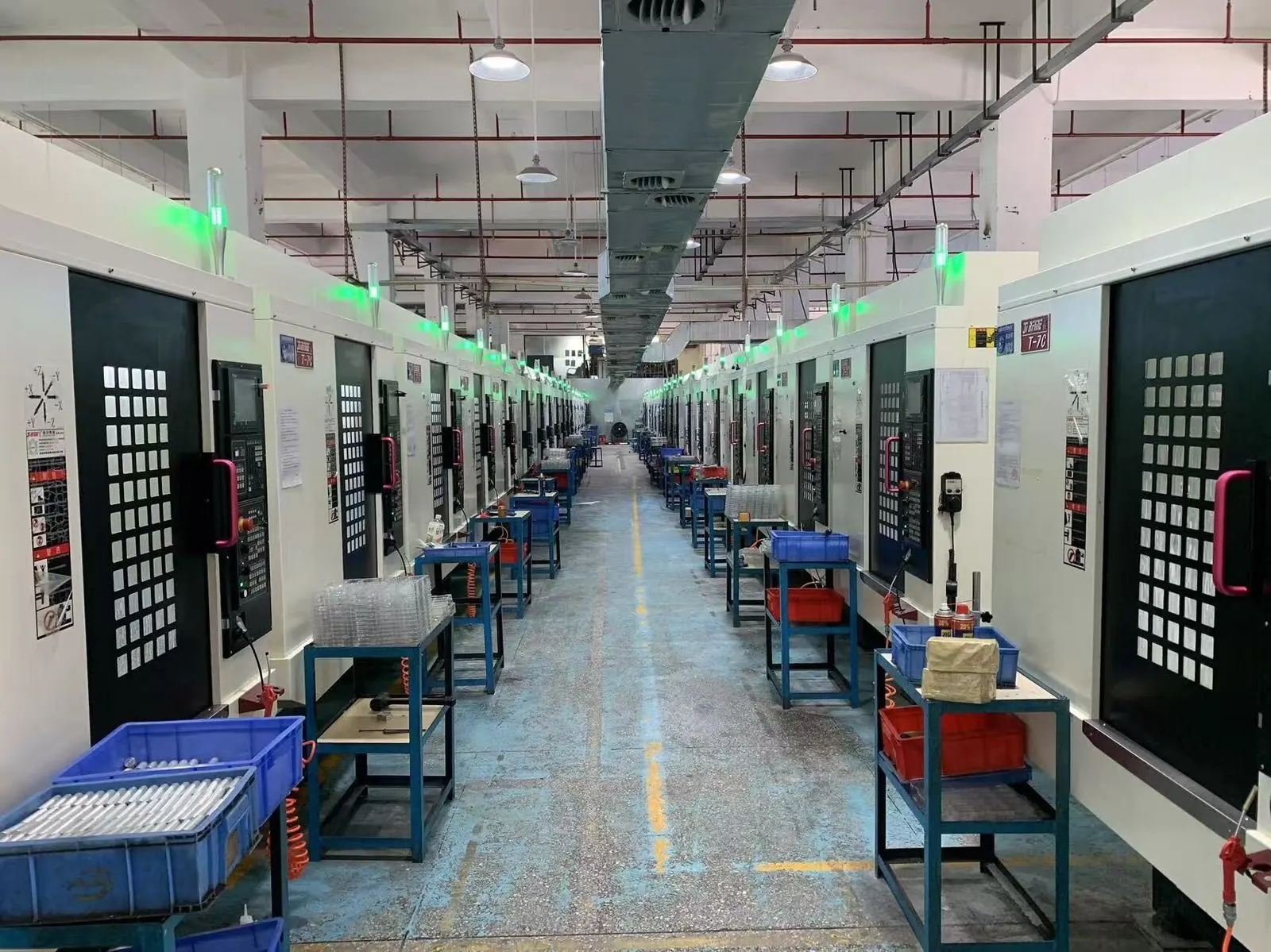
Choosing the right CNC machining supplier affects quality, lead time and cost. CHX Metal shares 7 practical steps to evaluate precision manufacturers before you commit. The factory covers 5,000 m2 and produces up to 5 million precision parts per month.
Step 1: Verify Tolerance
Confirm the supplier can hold ±0.005mm with CMM reports, not just claims.
Step 2: Check Equipment
Look for 5-axis centers, branded machining centers and in-house inspection.
Step 3: Certifications
Require ISO 9001:2015; for automotive.
Step 4: Inspection
Ask for CMM reports and a clear incoming-to-outgoing QA process.
Step 5: Prototype
Order 3–5 samples to validate before volume.
Step 6: Communication
Responsive engineering feedback (DFM) reduces risk.
Step 7: Pricing & Lead Time
Compare total cost and realistic delivery, not just unit price.
Frequently Asked Questions
What is the first step in choosing a supplier? Verify they can hold ±0.005mm with CMM reports, not just stated claims.
Why prototype before volume? 3–5 samples validate quality and process stability before committing.
Which certification is essential? ISO 9001:2015 minimum; for automotive parts.
What beyond unit price matters? Total cost, realistic lead time and engineering communication quality.
Get a Quote → Upload your drawing/3D model for a process plan and quotation within 24 hours.
Red Flags to Avoid
Quotes that arrive in minutes without drawing review usually mean a middleman, not a factory. Prices far below market on tight-tolerance work often hide skipped inspection. Suppliers who cannot state their CMM count, calibration cycle, or first-article process are guessing where your parts land in tolerance. And no NDA process before receiving drawings is a direct risk to your IP.
Questions That Reveal Real Capability
Ask: What CMMs do you run and how often are they calibrated? Show me a first-article report for a part like mine. What CpK do you commit to on critical dimensions? Who machines my parts - you or a subcontractor? A capable factory answers with documents; a trader answers with adjectives.
Why Factory Location Matters
Suppliers inside mature clusters like the Greater Bay Area quote shorter lead times because material, heat treatment and plating partners are nearby. Ask where machining, finishing and inspection physically happen. A factory that controls all three under one quality system catches problems days earlier than one coordinating across three subcontractors.
Start With a Small Order
The most cost-effective way to validate a supplier is a paid prototype order: it tests quoting accuracy, communication, tolerance capability and packaging before anything is at stake. Evaluate the first-article report line by line - a supplier whose FAI matches your drawing exactly is demonstrating the discipline your production orders will rely on.
Checklist Before You Sign
Confirm: written tolerance commitment, inspection report samples, NDA signed, lead-time penalty terms, and who pays return freight for rejects. Five minutes of paperwork prevents five weeks of dispute later.